
Optimal Timing for Fire Restorations
Determining the optimal time for fire restorations depends on various factors including weather conditions, fire season activity, and property readiness. Typically, the most effective periods are during late spring and early fall when weather is moderate and accessible. Conducting restorations during these times can minimize delays caused by extreme temperatures or weather-related disruptions.
Late spring and early fall offer ideal conditions for fire restorations due to moderate temperatures and lower humidity levels, which facilitate effective cleaning and repairs.
Avoiding peak summer and winter months helps prevent delays caused by rain, snow, or extreme heat, ensuring a smoother restoration process.
Timing restorations outside of peak fire season reduces the risk of further fire incidents and allows for better planning and resource allocation.
Choosing periods with favorable weather enhances access to affected properties, enabling thorough assessment and restoration work.
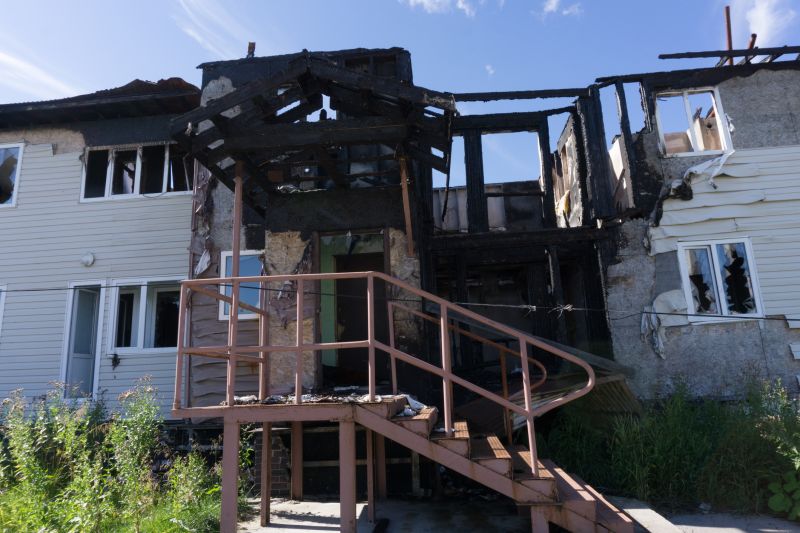
Assessing the extent of fire damage is crucial before restoration begins.
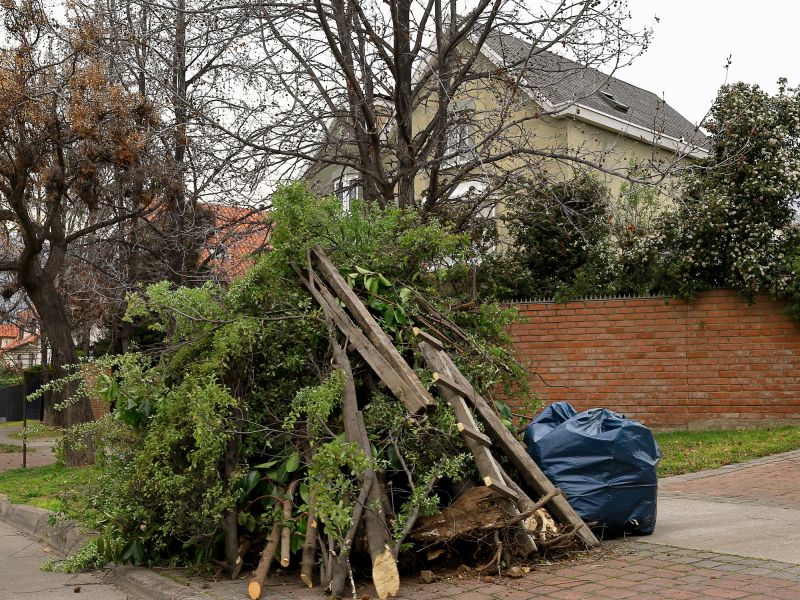
Removing debris efficiently during favorable weather supports effective restoration.
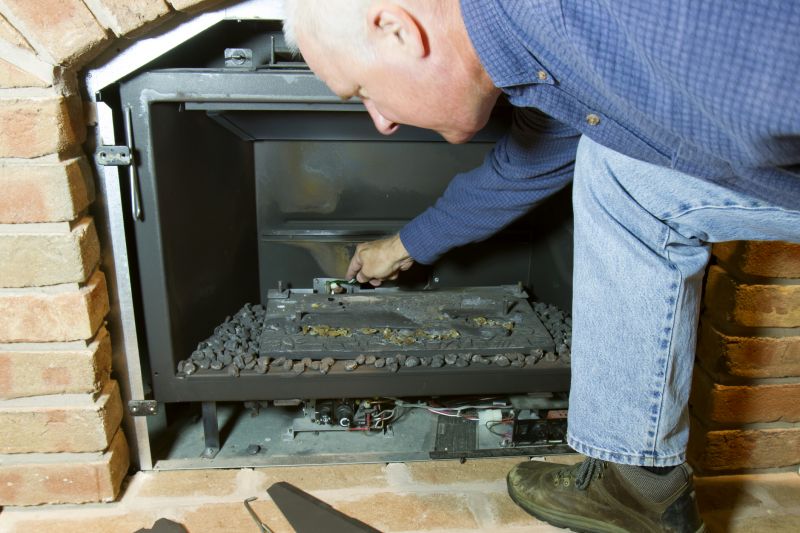
Performing structural repairs when conditions are optimal ensures safety and durability.
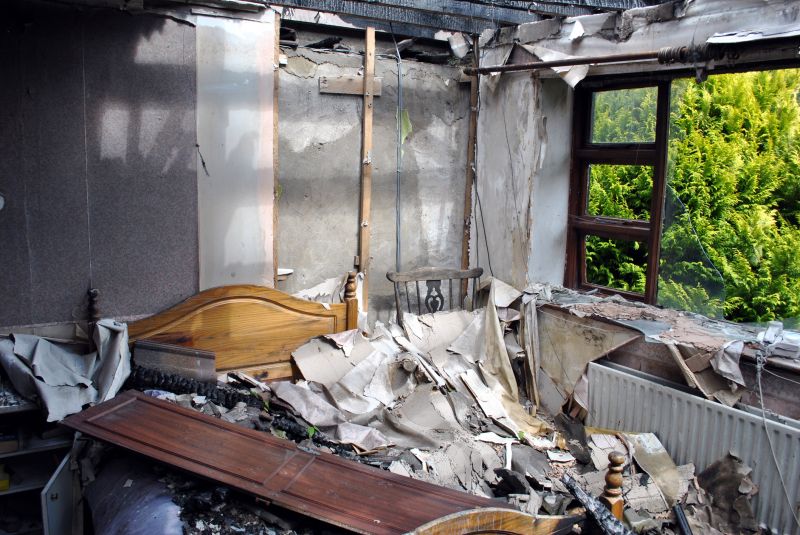
Ways to make Fire Restorations work in tight or awkward layouts.
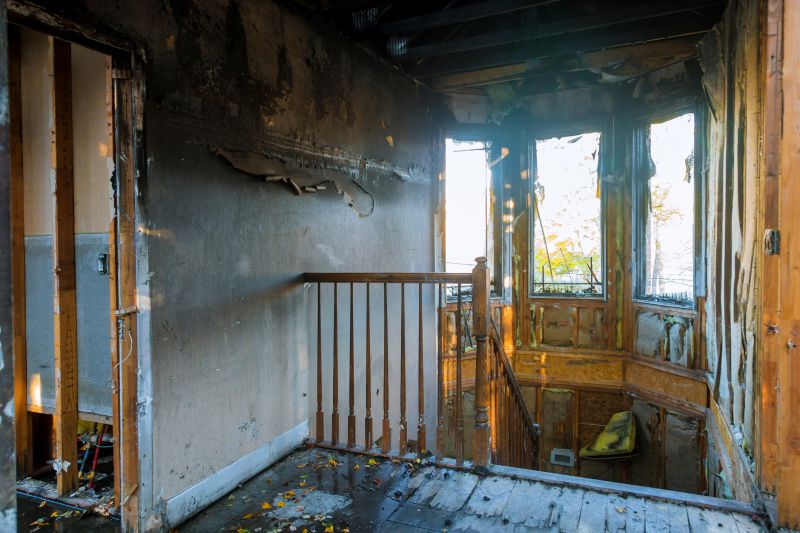
Popular materials for Fire Restorations and why they hold up over time.
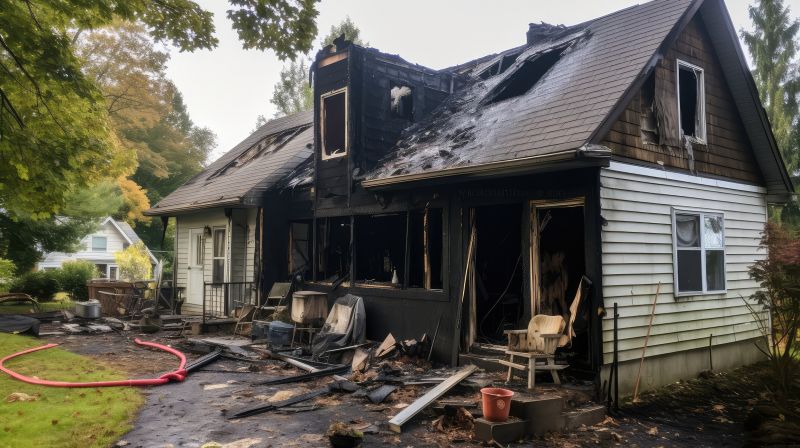
Simple add-ons that improve Fire Restorations without blowing the budget.
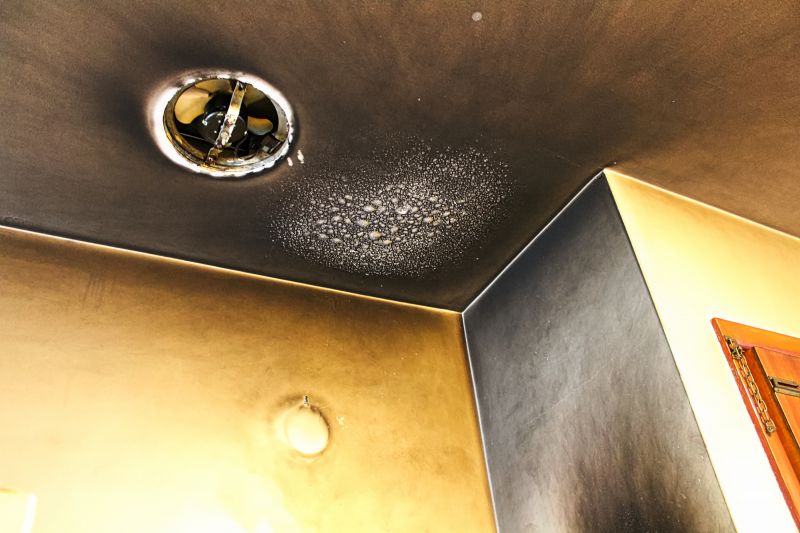
High-end options that actually feel worth it for Fire Restorations.

Finishes and colors that play nicely with Fire Restorations.
| Factor | Optimal Timing |
|---|---|
| Weather Conditions | Late spring and early fall |
| Fire Season | Outside peak fire months |
| Temperature | Moderate temperatures |
| Humidity | Lower humidity levels |
| Accessibility | Favorable weather for property access |
| Insurance Coordination | During off-peak claim periods |
| Local Regulations | Aligned with local guidelines |
Fire restorations involve comprehensive processes aimed at restoring properties affected by fire incidents. These include assessing damage, removing debris, cleaning soot and smoke residues, and performing structural repairs. Effective restoration not only restores the appearance of a property but also ensures safety and compliance with building standards. Proper timing enhances the efficiency of these activities, minimizing delays and reducing costs.
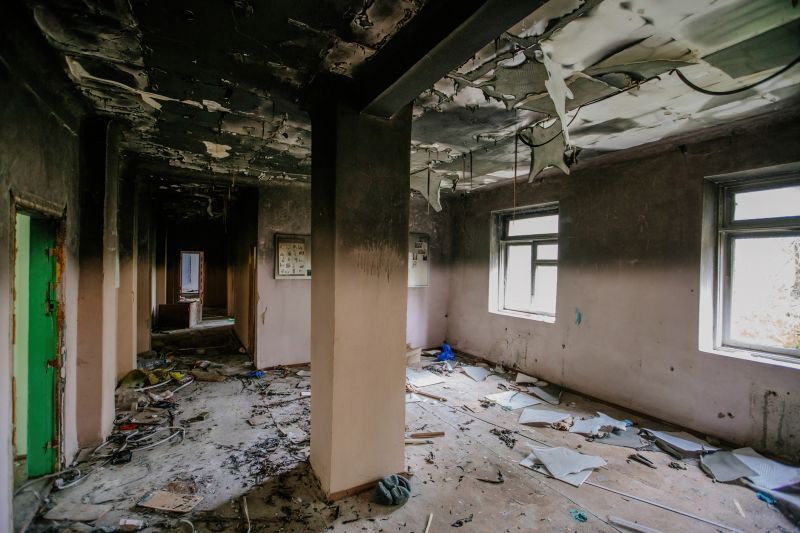
Initial evaluation of fire damage to determine restoration needs.
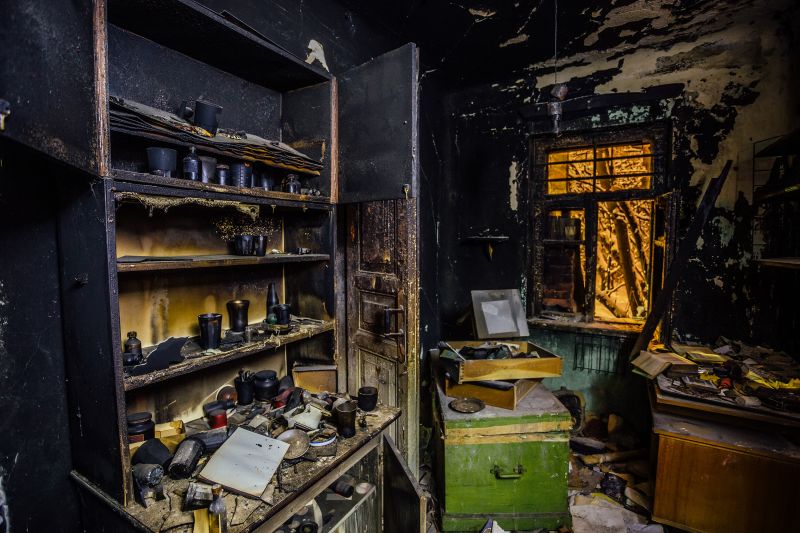
Specialized cleaning to remove residues and odors.

Rebuilding and repairing damaged structural elements.

Ensuring all restoration work meets safety standards.

Little measurements that prevent headaches on Fire Restorations day.
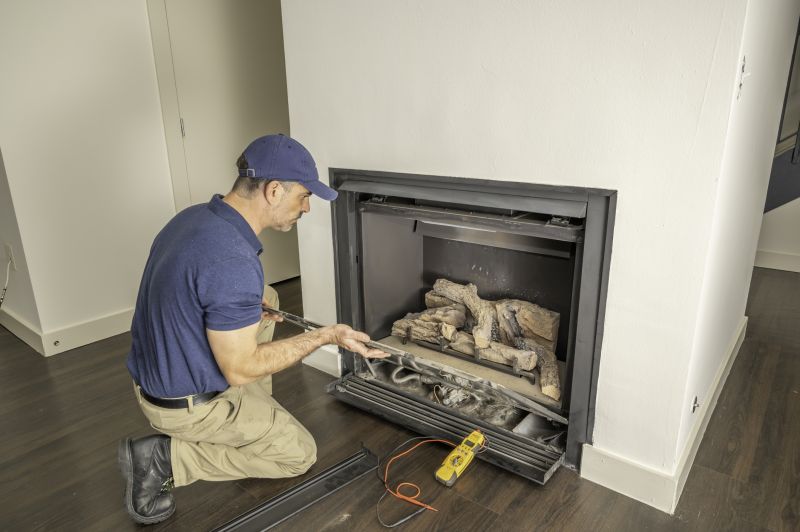
A 60-second routine that keeps Fire Restorations looking new.
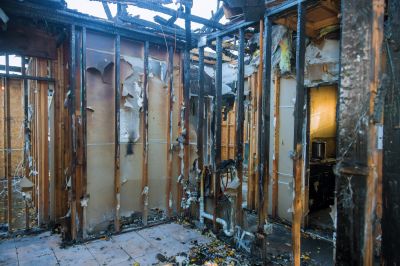
A frequent mistake in Fire Restorations and how to dodge it.

Small tweaks to make Fire Restorations safer and easier to use.
Timely fire restorations are essential to prevent further deterioration and to restore safety and functionality to affected properties. Planning restoration activities during optimal seasons can lead to more efficient workflows and better outcomes. Properly scheduled restorations also help in managing costs and coordinating with insurance providers.
Interested in fire restoration services? Fill out the contact form to receive more information and assistance.